What is Flan? A Creamy, Delicious Dessert from Around the World
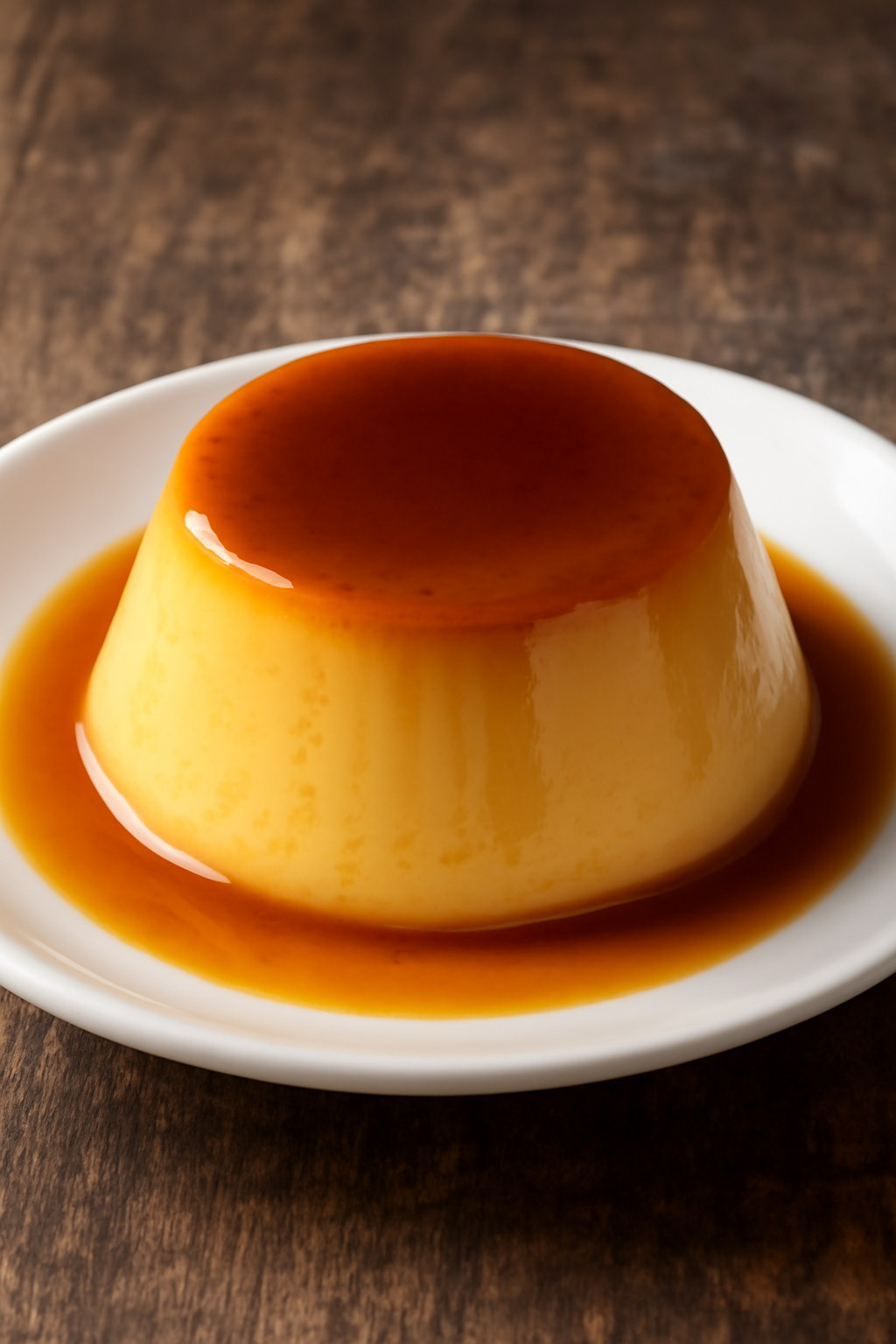
Flan is a smooth, creamy dessert loved by people around the globe. This timeless treat, also known as crème caramel, is a custard-based dessert typically topped with a rich, golden caramel sauce. Known for its delicate texture and rich flavor, flan has become a favorite in various cuisines, particularly in Latin America, Spain, and the Philippines. In this article, we will explore what flan is, its origins, how it’s made, and why it remains a beloved dessert worldwide.
What is Flan?
Flan is a type of custard dessert made primarily from eggs, milk, sugar, and vanilla. It has a silky-smooth texture that melts in your mouth and is typically served with a caramel topping. The dessert is baked slowly in a water bath, allowing the custard to set perfectly while keeping its creamy consistency. Flan is a versatile dessert that can be flavored with a variety of ingredients, including coconut, chocolate, and coffee, but the classic version remains a favorite among dessert lovers.
Flan is known by different names depending on the region, such as “crème caramel” in France, “tres leches flan” in Mexico, or “leche flan” in the Philippines. Despite the variations, the essence of flan remains the same—a smooth, sweet custard topped with caramelized sugar.
The Origins of Flan
Flan’s history can be traced back to ancient Rome, where it was made using eggs, milk, and honey. The dessert evolved over the centuries, and when the Spanish colonized the Americas, they brought their version of flan with them. The dessert spread across Latin America and Spain, adapting to local tastes and ingredients along the way.
In Latin American countries, flan became a common dish, and it is often served at family gatherings, holidays, and special occasions. In the Philippines, “leche flan” is a popular variation made with condensed milk, which gives it a richer, creamier texture. Today, flan continues to be a staple in many countries, with each culture adding its own twist to the classic recipe.
How is Flan Made?
The process of making flan involves a few simple steps, but it requires precision to achieve that perfect custard texture. Here’s how traditional flan is made:
- Caramelizing the Sugar: The first step in making flan is preparing the caramel. Sugar is heated in a pan until it melts and turns golden brown. This caramel is then poured into the bottom of a baking dish, where it will harden to form a sweet, crunchy layer.
- Making the Custard: The custard mixture is made by whisking together eggs, milk (or cream), sugar, and vanilla extract. Some variations include adding flavors such as coconut milk or citrus zest.
- Baking the Flan: The custard mixture is poured over the hardened caramel in the baking dish. The dish is placed in a larger pan filled with water (a technique called a water bath), which ensures even cooking and prevents the flan from cracking. The flan is baked slowly at a low temperature for about 45 minutes to an hour.
- Cooling and Serving: After baking, the flan is allowed to cool before being refrigerated. Once chilled, it is inverted onto a plate, revealing the golden caramel topping. The custard is smooth and creamy, with the caramel forming a glossy, sweet sauce.
Why is Flan So Popular?
Flan has endured for centuries as a beloved dessert for several reasons:
- Deliciously Creamy: The smooth, silky texture of flan is what makes it so irresistible. The combination of eggs and milk creates a custard that is soft and creamy, and the caramel adds an extra layer of sweetness.
- Versatility: Flan is a versatile dessert that can be customized with various flavors. From traditional vanilla to coconut, chocolate, and coffee variations, flan offers endless possibilities to suit different tastes.
- Cultural Significance: Flan holds a special place in many cultures, especially in Latin American and Spanish communities. It is often served at celebrations, holidays, and family gatherings, making it a comforting and nostalgic dessert.
- Simplicity and Elegance: Despite its simple ingredients, flan exudes elegance. It is a dessert that can be made with minimal effort yet looks impressive when served, making it perfect for both casual dinners and formal occasions.
Variations of Flan Around the World
Flan has many regional variations, each with its unique spin on the classic recipe. Here are a few popular variations:
- Leche Flan (Philippines): In the Philippines, leche flan is a rich version made with condensed milk and egg yolks, resulting in a dense, creamy texture. It is often topped with caramelized sugar and served as a dessert at parties and celebrations.
- Flan de Coco (Coconut Flan): This variation of flan uses coconut milk in place of regular milk, giving it a tropical flavor. It is particularly popular in the Caribbean and parts of Latin America.
- Flan de Queso (Cheese Flan): A variation of flan made with cream cheese or a soft cheese, resulting in a denser, richer dessert. This version is often found in Latin American countries.
- Chocolate Flan: For chocolate lovers, chocolate flan is a decadent twist on the classic, incorporating melted chocolate into the custard, creating a rich, chocolatey flavor with a smooth texture.
How to Make Flan at Home
Making flan at home is easier than it sounds, and it allows you to customize the dessert to your taste. Here’s a simple recipe to try:
Ingredients:
- 1 cup sugar (for caramel)
- 1 can (14 oz) sweetened condensed milk
- 1 can (12 oz) evaporated milk
- 3 large eggs
- 1 tsp vanilla extract
- Pinch of salt
Instructions:
- Make the Caramel: In a saucepan, melt the sugar over medium heat, stirring constantly until it turns golden brown. Pour the caramel into the bottom of a round baking dish, swirling it to coat evenly.
- Prepare the Custard: In a bowl, whisk together the condensed milk, evaporated milk, eggs, vanilla extract, and a pinch of salt until smooth.
- Bake the Flan: Pour the custard mixture over the caramel in the baking dish. Place the dish in a larger pan filled with water. Bake at 350°F (175°C) for 50-60 minutes, or until the flan is set and a knife inserted comes out clean.
- Cool and Serve: Allow the flan to cool before refrigerating for at least 2 hours. To serve, run a knife around the edges of the dish, then invert the flan onto a plate.
Final Thoughts
Flan is a classic dessert that continues to be adored around the world for its rich flavor, creamy texture, and cultural significance. Whether enjoyed as a traditional crème caramel or with creative variations, flan remains a versatile and timeless treat. The combination of its simple ingredients and elegant presentation makes it the perfect dessert for any occasion. If you haven’t tried flan yet, it’s time to indulge in this delicious, creamy custard that has stood the test of time.